Así que sigo moviéndome mientras puedo.
A diferencia de Billie Eilish, a mí no me importa que me vean llorar.
Pero al igual que a ella, no me viene bien morir ahora.
Todavía me quedan muchas promesas por incumplir.
‘¡Feliz 2021!

Si es difícil, es que lo estás haciendo mal
Así que sigo moviéndome mientras puedo.
A diferencia de Billie Eilish, a mí no me importa que me vean llorar.
Pero al igual que a ella, no me viene bien morir ahora.
Todavía me quedan muchas promesas por incumplir.
‘¡Feliz 2021!
Un año es algo inventado, una forma artificial de agrupar nuestra memoria para podernos contar historias según envejecemos, para recordar el pasado, para hacer fiestas que celebren el avance de nuestras vidas en un tiempo cuya dimensión, habitualmente, a la mayoría se nos escapa.
Por todo eso, y muchas otras cosas, llamamos a la ordenación consecutiva de 365 salidas y puestas de sol un año; por ejemplo 2020.
Los que han acumulado años, como memoria y recuerdos, recordarán una canción interpretada por Johnny Logan en el festival de Eurovisión de 1980 celebrado en La Haya: What’s another year?
Pues eso me pregunto. ¿Qué es un año más?
Estamos dejando 2020, uno de las más desastrosas colecciones de 365 días en muchas décadas. Hemos perdido amigos, familia, conocidos, trabajos, oportunidades. Aún así, la mayoría seguimos sobreviviendo.
Para afrontar el próximo, 2021, hay dos opciones: o cambiamos nuestras expectativas o cambiamos nuestra realidad.
Mientras tanto, a seguir sobreviviendo.
¿Qué quieren decir cuando dicen que buscan un equilibrio vida/trabajo? ¿El trabajo no es vida? ¿La vida no es trabajo? ¿Tienes una mierda de trabajo? ¿Tienes una mierda de vida? ¿Entre ambos se retroalimentan?
Si te tienes que plantear buscar el equilibrio entre tu trabajo y tu vida, búscate otra vida. Y otro trabajo, por cierto.
Vivimos en tiempos de incertidumbre, miedo e incredulidad. Podría ser atrevido y describir detalladamente en qué momento estamos, después de meses de pandemia.
Pero sería estúpido ni siquiera intentarlo cuando Charles Dickens, en «Tale of Two Cities», se esmeró en crear el mejor inicio de un texto que se haya escrito nunca. Y en ese primer párrafo ya describió estos tiempos, tiempos eternos que siguen a la especie humana como su sombra, sin despegarse.
It was the best of times, it was the worst of times, it was the age of wisdom, it was the age of foolishness, it was the epoch of belief, it was the epoch of incredulity, it was the season of Light, it was the season of Darkness, it was the spring of hope, it was the winter of despair, we had everything before us, we had nothing before us, we were all going direct to Heaven, we were all going direct the other way – in short, the period was so far like the present period, that some of its noisiest authorities insisted on its being received, for good or for evil, in the superlative degree of comparison only.
Miles de decisiones con millones de significados escondidos tras palabras. Millones de palabras usadas en conversaciones, entrevistas, charlas, «webinars», en inglés o castellano, que empiezan a no significar nada. Para mí ni para nadie.
Toda experiencia es única. Esta también. Y no se olvidará hasta el fin de nuestros días.
Non sibi sed omnibus- Not for oneself, but for all
As you may already know, SoMe4Surgery celebrated its first birthday on the 28th of July 2019. More than a year has now passed since the birth of this dynamic surgical community and yet it continues to grow and flourish. As 2019 draws to a close, we take the opportunity to briefly reflect on what this year has brought to SoMe4Surgery and what we have to look forward to next year.
Fabulous factions and stellar societies
In keeping with the global trend of subspecialization in surgery, SoMe4Surgery has seen a rapid proliferation in the number of subgroups dedicated to various aspects of surgical practice. These range from broad specialties such as colorectal surgery, trauma and hepatopancreaticobiliary to finer and more specific fields like peritoneal surgery and bariatrics. Whatever your passion may be, you are bound to find the right surgical family to adopt you and your ideas. Just add the prefix SoMe4 and prepare to be amazed at what you will find in the treasure trove of Twitter societies at your disposal; these include exquisite rarities like mechanical ventilation, artificial intelligence in surgery, and genetic risk in cancer. And if, for some reason or another, you cannot find your El Dorado, you have the liberty to create one yourself complete with the blessings of the bigger SoMe4Surgery family.
The road to SMSS19
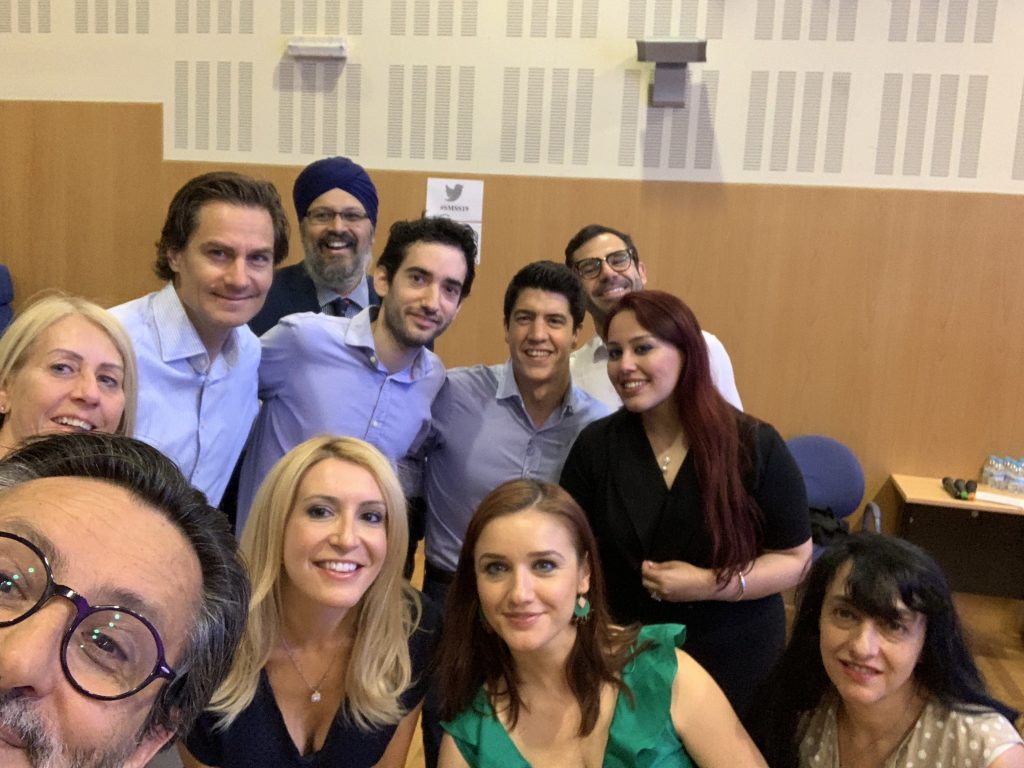
Perhaps the most memorable accomplishment in 2019 was the realization of the first SoMe4Surgery Summit in Madrid, now considered the surgical world’s Santiago de Compostela. Surgeons from all around the world flocked to Hospital Clinico San Carlos to participate by presenting and promoting their SoMe4Surgery experience. For those who could not physically make it, geography was no deterrent as they joined the virtual pilgrimage via live transmission online in what was an enjoyable and productive scientific journey. To celebrate the success of the day, participants later convened to dine and propose a toast in an evening that was christened SoMe4Fun.

You yourself can catch up on the details of that magical gathering and relive the excitement by looking up the hashtag #SMSS19 on Twitter. The event was a true testimony to the feasibility of virtualizing and subsequently de-virtualizing scientific and social networks.
Strength in solidarity
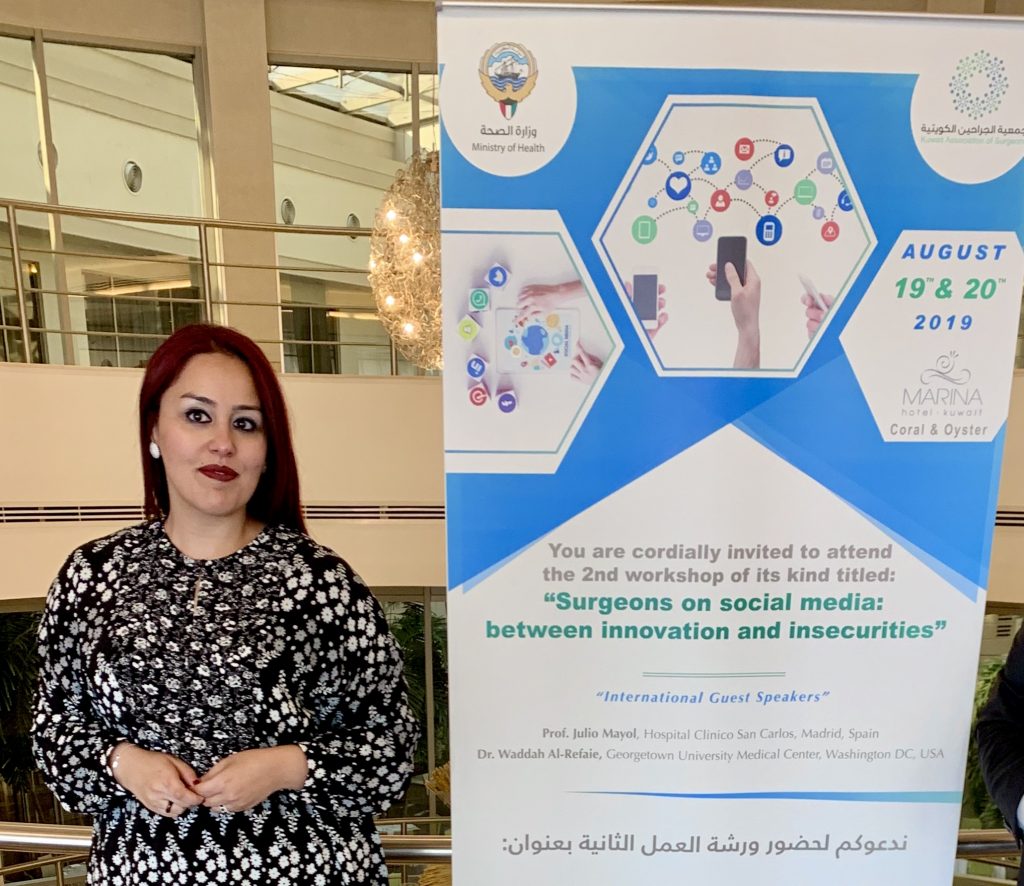
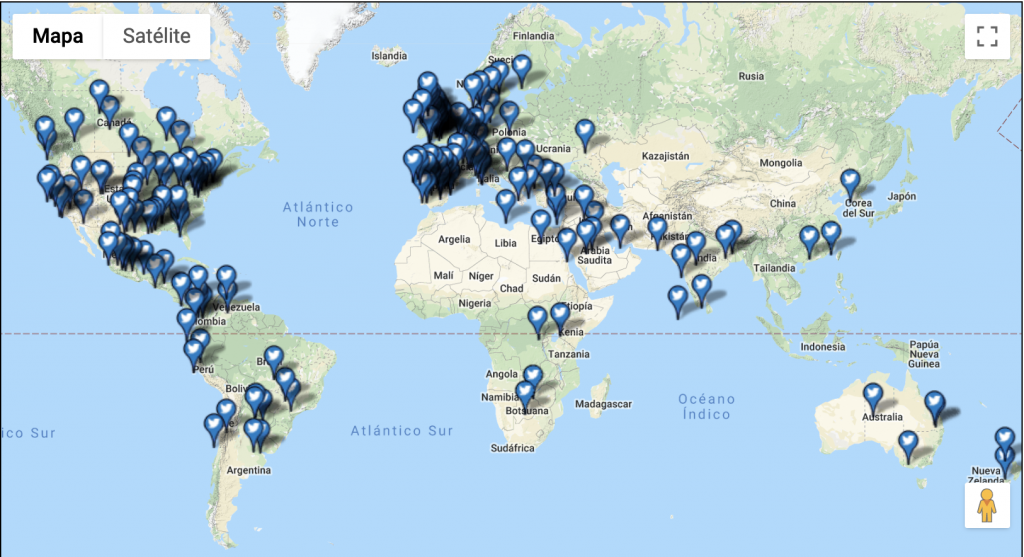
If you cannot go to SoMe4Surgery, then SoMe4Surgery will come to you. As surgeons recognize the importance of collaborating and sharing information and experiences in the 21st century, we have seen the hashtag #SoMe4Surgery being used alongside other hashtags in numerous conferences around the world; to name but a few: the American College of Surgeons Clinical Congress 2019, the European Society of Coloproctology Congress 2019 in Vienna, the Mexican General Surgery Association and the AIS Channel’s live colorectal surgery event. From workshops in cities as brilliant as Barcelona, as hot as Kuwait and as distant as Manila, you will find tweets that boast an intimate connection with SoMe4Surgery. Such collaborations have amplified the impact these conferences exert and have taken surgical knowledge where it has never gone before.
Power through publishing
While we will not attempt to list here the individual publications that have transpired through collaborative efforts within the SoMe4Surgery community, it suffices to mention that what once started as a tweet can now be found peer-reviewed and officially published in a number of reputable surgical journals. Real science mandates communication and cooperation and SoMe4Surgery provides a fertile ground to do just that. The power of the written word should not be underestimated and to generate meaningful publications has always been one of our goals.

Bilingual beyond borders
What Latin was to medicine in antiquity, English has become today. However, while English may be the lingua franca of our trade, this should not put the millions of non—English speaking professionals in the world at a disadvantage. This is why SoMe4Surgery now tweets in both English and Spanish culminating in an exponentially growing Hispanic surgical community that avidly shares its expertise. We hope to transcend language barriers through the help of multilingual colleagues as well as AI powered translators online. In defiance of philosopher Ludwig Wittgenstein’s infamous statement, at SoMe4Surgery, the limits of our language are not the limits of our world.
To infinity and beyond
“You have done so much with SoMe4Surgery already, what more is there to do?” you may ask.
While we cannot physically turn lead into gold, nor do we possess a crystal ball to foretell the exact future, we can make you one big promise though, and that is to continue to support surgeons, healthcare professionals and patients all around the world. Our alchemy lies in our ability to amalgamate the knowledge and expertise of everyone in SoMe4Surgery to create an ideal model of safe and scientifically sound surgical practice. Wherever you are, once you use the hashtag #SoMe4Surgery, we will find you and we will endorse you in whatever way we can.
We will continue to engage in active mentorship, to host educational activities on Twitter, to recruit colleagues and to share our experiences and discoveries through publications or otherwise, for the benefit of all-non sibi sed omnibus. Finally, we hope to see you all at the SoMe4Surgery Summit 2020, SMSS20.
*We would like to thank everyone who has been a member of this magnificent community, our pioneer surgeons who have continued to enrich our careers online as well as offline (including Professors Kenneth Mattox and Steven Wexner) and all the surgical journals and societies that have supported us unconditionally this year. We wish you and your families a safe and happy festive season, and a prosperous 2020, with SoMe4Surgery of course!
Estamos a finales del mes de diciembre de 2019. Se va a acabar otro año. O lo que es lo mismo, vamos a contar otros 365 días y vamos a tener la sensación de que empezamos de nuevo.
Pero no. Todo será nuevo, pero no empezamos de nuevo. Somos los mismos, salvo por aquellos que nos han abandonado, pero no somos lo mismo.
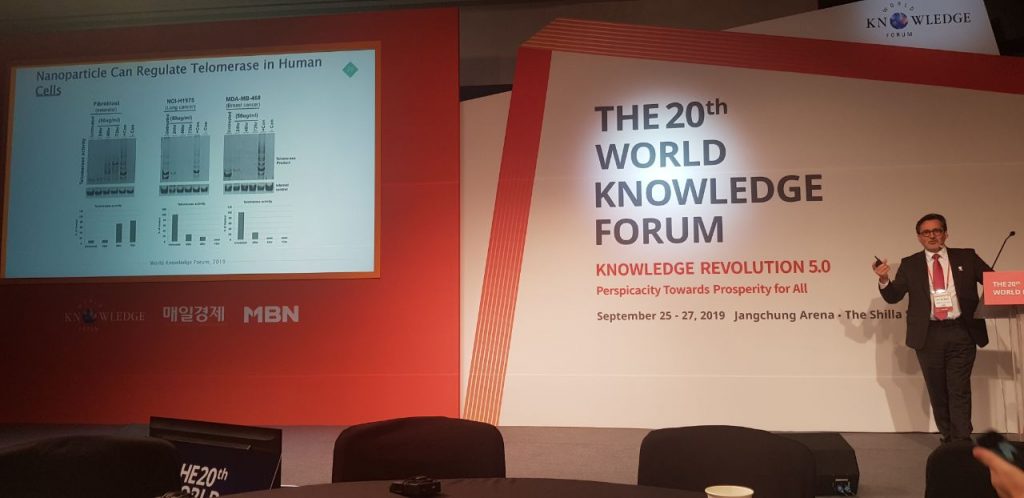
Afortunadamente, en 2019 he hecho cosas que me hacen disfrutar. He viajado por medio mundo, de San Diego a Seúl, de León-Guanajuato a Melbourne, pasando por Londres, Pisa o Kuwait. Todo ello habitando una comunidad centrada en la práctica quirúrgica: #SoMe4Surgery.
Ha sido un magnífico año en el que he conocido sitios y personas únicas, que ayudan a celebrar diariamente que uno vive, además de existir.
Para bien o para mal, tengo nuevas ideas y nuevos proyectos. Algunos son locuras. Otros son sólo experimentación. Algunos están a punto de convertirse en realidad. Veremos hasta dónde puedo llegar. Para ello necesitaré mucha ayuda.
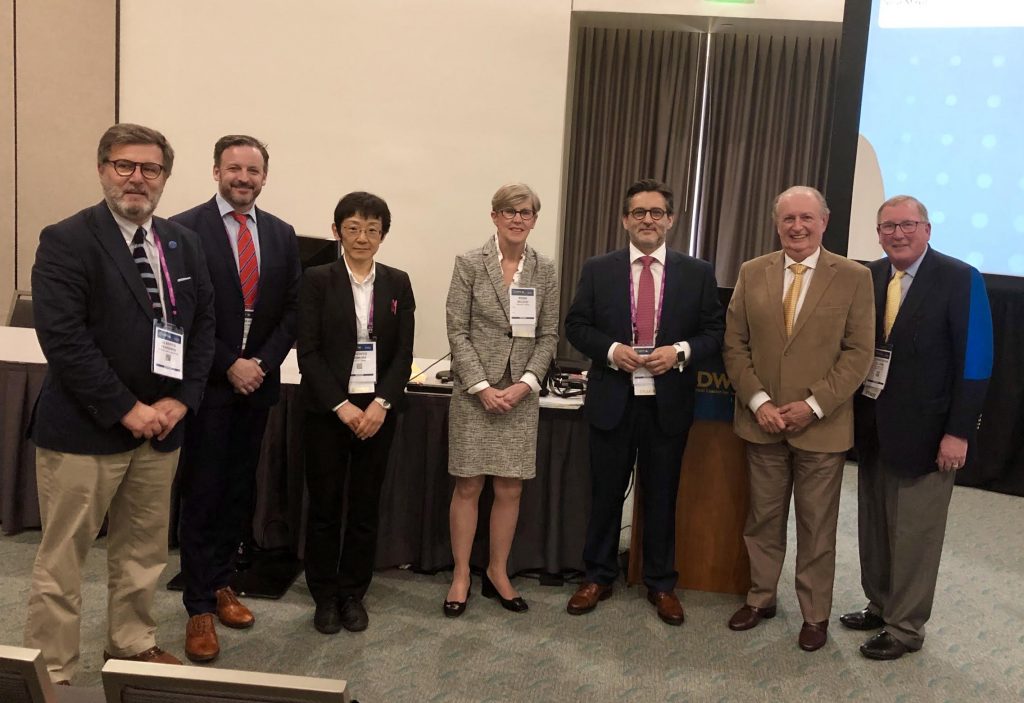
¡Felices Fiestas!
Disfrutad del viaje.
Seguro que el destino merecerá la pena
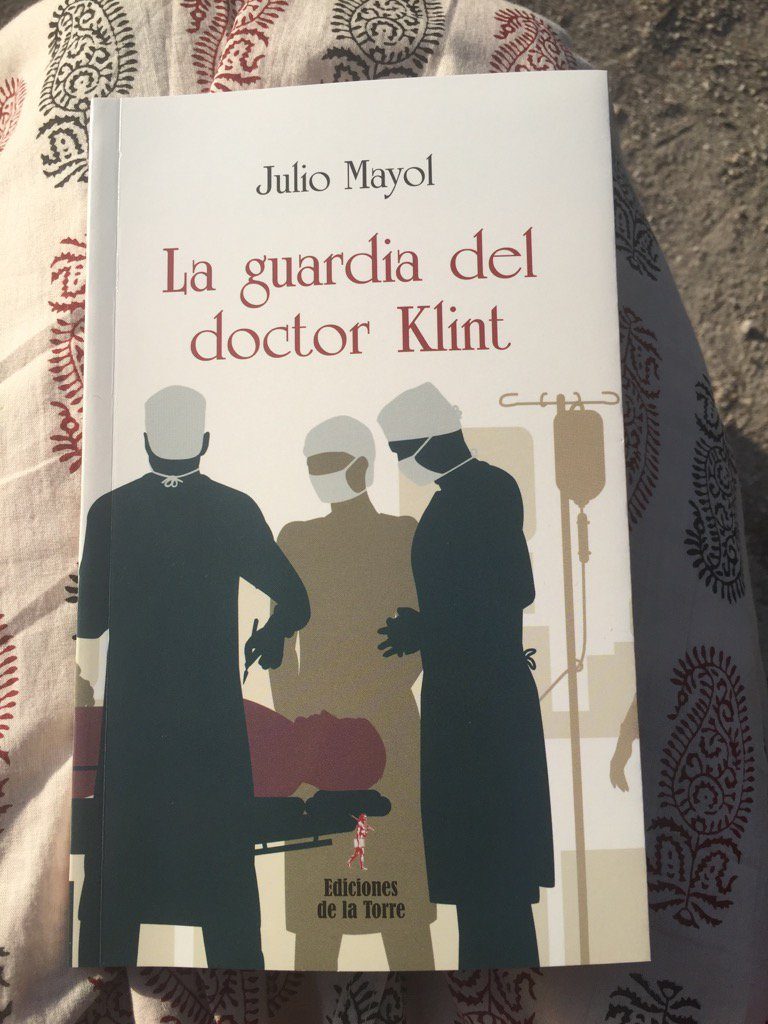
Ever since I can remember, I hate the sound of alarm clocks waking me up. That is why I prefer waking up to a smooth and warm yet artificial light, gradually increasing in intensity like an encroaching daylight. All 365 days of the year, including weekends, the sun rises in my room when the clock strikes 6.30 am. In reality, it is only 5.40 am, because my alarm is always ahead of time. Fifty minutes early; not a minute more, not a minute less, fifty. I am sure that some soft music would never hurt anyone since I sleep alone, by personal choice of course. But then I would have to decide which music would be best to wake up to every morning, and I don’t feel like making more decisions about mundane aspects of my daily life.
If I did not have to go to work, I would go back to sleep. Otherwise, once I am out of bed I go straight to the bathroom, always. It is an automatism, completely avolitional. It is the first thing I do in the morning, an irrational act, just like the rest of humanity. I undress, empty my bladder, wash my hands, and afterwards look at myself in the mirror as I attempt to tame my hair, all blonde and tousled, with my damp hands. At this point in time, I am still fuzzy, whether from sleep or presbyopia I cannot tell. I stroke my eyebrows, rub my eyes, trace my face with the tips of my fingers until they rest on my jawline. I don’t know why I do that, I just do.
I make a living with these hands, which seem rather common. There’s nothing special about them. From time to time, I stare at them as if they don’t belong to me. I stretch them out in front of me and turn them around to look at them from different angles. Five fingers each, palms and backs, with short nails. I hate the sight of long nails on a man, and especially on me. I feel a certain disgust when I see them. They only looked good on de Niro playing Louis Cyphre in New Orleans. “How terrible is wisdom when it brings no profit to the wise, Johnny”. A feature befitting the character.
My fingers have been in places other human beings would consider unusual, not because they are unknown but because they are nasty. I must confess that it has been pleasurable having them there.
I am a surgeon….
Traducción y adaptación de Ameera alHasan
As wide spread adoption of technology has increased in our daily lives, so too has the arsenal of options physicians have to utilize and implement technology to take care of patients. Telemedicine, or the “use of electronic information and communication technologies to provide and support health care,” has resulted in improved access to care, increased resource efficiency, and decreased costs associated with routine health care. Given the promise for this resource, it is expected that the telemedicine market will demonstrate annual growth rates ranging between 20-50% for the foreseeable future.
Surgeons have utilized telemedicine in a variety of ways over the last decade. Pre- and post-operative patient evaluations utilizing telemedicine has become common in private practice and academic settings. Without a doubt, the accomplishments of the US Department of Veterans Affairs (VA) stands as the most impressive implementation of telemedicine technology. Annual VA Video Visits exceed more than 1 million regularly, with continued growth and allotment of resources expected for the next few years. Within the surgical patient population, the VA has demonstrated safety and feasibility in applying telemedicine to patients undergoing general, urologic, neurosurgical, plastic, obstetric, and gynecologic procedures.
When considering new technologies, one must consider all stake holders and understand the impact that a deviation from the norm may have. Multiple studies analyzing patient satisfaction, time away from work, travel time, etc. have shown that patients are pleased with telemedicine encounters surrounding surgical care. Further, health care systems have demonstrated cost savings associated with implementation of telemedicine programs. For surgeons, telemedicine can provide an efficient means of evaluating patients and coordinating care. As the technology develops, utility in both rural and metropolitan settings must be assess to identify who would benefit most from these encounters.
For telemedicine to continue to grow, concerns related to ethics of the platform must be scrutinized and overcome. The system must develop in a manner to ensure that health care data breaches are guarded against such that patients and providers are confident in the privacy and security of programs. Beyond cyber-security, other barriers hinder the widespread adoption of telemedicine platforms. First, licensure and practice laws for health professionals must be adopted that allow surgeons to more easily interact and take care of patients across state and, eventually, international borders. Additionally, reimbursement strategies must be reformatted to allow for patients to be evaluated without physically being in the same place as their provider. At the national level, enthusiasm for telemedicine is increasing, and reimbursement related to origination site requirements and definitions of rural qualifications have been updated to make telemedicine encounters more broadly applicable.
In conclusion, telemedicine in surgery has received significant attention as patient satisfaction, decreased wait times, cost saving for both patients and health care systems have been demonstrated. With an emphasis on the patient and physician experience, telemedicine stands as an expected and natural evolution of surgical care. Moving forward, barriers at the local, regional, and national level must be overcome to allow for widespread dissemination and implementation of telemedicine in surgery.
Durante toda mi formación, he escuchado numerosos profesores explicar cómo iba a ser el siguiente curso, cuáles eran las dificultades y de qué manera iban a sucederse los acontecimientos hasta que consiguiera mi plaza en un hospital. Una vez entré a formar parte de un equipo quirúrgico, hablar de futuro es siempre hablar de incertidumbre. Nadie ha sido capaz desde entonces de aventurarse a determinar cómo será la medicina de aquí a cinco o diez años, cómo trabajaremos en los hospitales (incluso si trabajaremos en ellos) o qué actividad desarrollaremos en los quirófanos.
Actualmente, disponemos de un excelente sistema de salud, tenemos los mejores médicos en formación, los mejores instrumentos y el mejor entrenamiento que hemos tenido nunca, no obstante, las exigencias son mayores y a diario tenemos que manejar con el desequilibrio entre expectativa y realidad de nuestros pacientes. Así como la transformación de la cirugía abierta a la laparoscópica fue traumática para muchos, el futuro próximo revolucionará el marco en el que realizamos nuestra actividad quirúrgica. Por lo que, si una cosa tengo clara es que, la capacidad de adaptación al cambio es la característica más importante de los cirujanos en formación.
Por un lado, la cirugía basada en la seguridad del paciente y la calidad de vida va a producir un drástico impacto en la reducción de la iatrogenia en nuestros pacientes. El procesamiento de grandes cantidades de datos o “big data” y la inteligencia artificial aplicada, mejorará el conocimiento y monitorizará las consecuencias de nuestras acciones en los pacientes. Si bien la formación de los cirujanos estuvo basada en el ensayo-error y el posterior análisis, la exigencia impuesta por la sociedad, no da margen de error a aquellos que por su condición de novel tienen más números de equivocarse. Por ello, se crearán plataformas y simuladores que se convertirán en un peaje durante la formación del residente.
Si hablamos de innovación y cirugía, el Dr. J Marescaux, ya explicaba las revoluciones más inmediatas. Por un lado, la cirugía mínimamente invasiva, definida por plataformas robóticas, cirugía endoscópica y nuevas herramientas de acción quirúrgica que se están desarrollando, que hoy en día se encuentran en su expresión inicial, pero que irrumpirán en los quirófanos del futuro al tiempo que estaremos surcando la cresta de nuestra profesión. En segundo lugar, la integración y procesamiento de imágenes, tanto dentro como fuera de quirófano, el procesamiento de imagen a nivel molecular y la impresión en 3D, mejorarán la visibilidad de aquello que hoy vemos pero que nos abrirá la puerta a una realidad que actualmente no conocemos.
Y, por último, la revolución social afectará el modo en que nos relacionamos con el paciente y nuestros compañeros. Las plataformas digitales e interactivas y los sistemas de “telementoring” facilitarán la comunicación y la interconectividad entre los diferentes agentes del proceso. Investigación colaborativa, interacción con los pacientes, congresos online, etc. son algunas de las aplicaciones que nos encontraremos en un futuro próximo para beneficiar un mayor número de pacientes.
Por lo tanto, nos encontramos ante una nueva revolución que cambiará el escenario en el que estamos trabajando. Vienen épocas inciertas, con nuevos avances y recursos que dibujarán un escenario que, por ahora, es difícil de pronosticar. Nuestro objetivo como cirujanos es la adaptabilidad a un paradigma más “tecnológico” en el que seguiremos teniendo pacientes igual de “humanos”; con el reto de conectar una tecnología cada vez más inteligente y una humanidad cada vez más incomprensible.
“The best way to predict the future is to create it.”
Abraham Lincoln
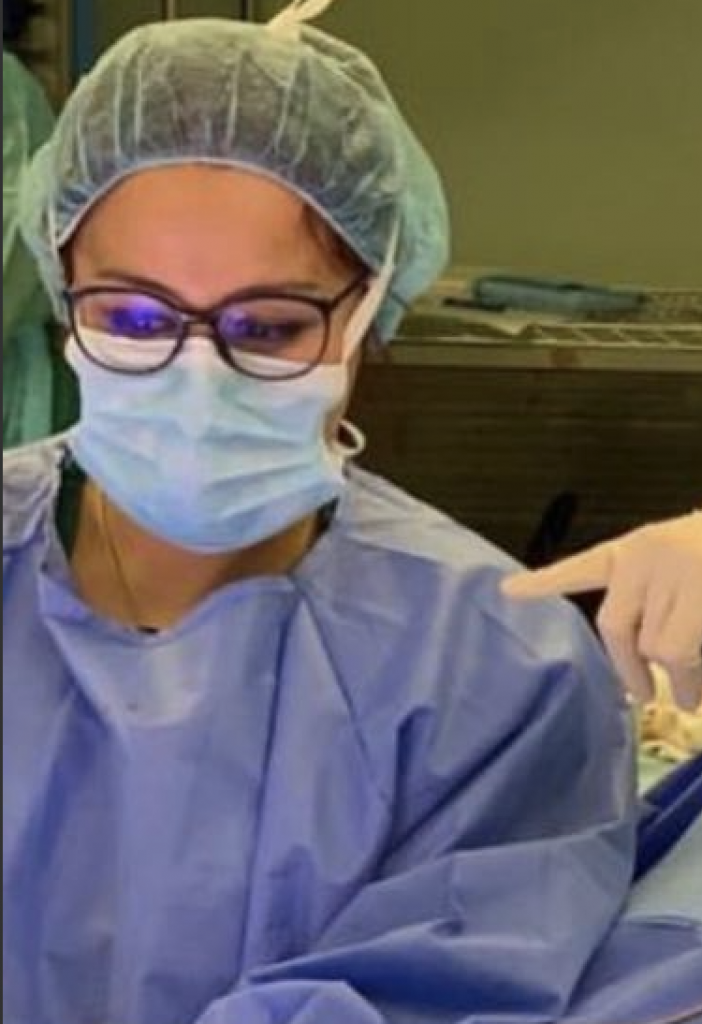
Surgery is an ancient craft that has withstood the test of time thus far. What the tides of the 21st century will bring can only be foretold by examining current trends and using them to steer our profession towards the future we hope to see.
Tweaking techniques through technology
As all aspects of modern life undergo a rigorous digitalization process, the practice of surgery is no exception.
Starting with minimally invasive surgery through the adoption of laparoscopy and robotics, surgical technology will continue to evolve in order to render operating a more comfortable experience for both surgeon and patient. The advent of human enhancement with advanced imaging and artificial intelligence means that the surgeon of the future will be able to see better and do more.
The improved understanding of the molecular basis of disease together with the advancement of nanotechnology has given birth to precision medicine. This novel field employs targeted therapy to address the subcellular, genetic and molecular determinants of disease. Speculations arise that this might completely obviate the need to operate on patients. Although this may be true at certain stages of a disease, it seems more likely that it will act as an adjunct, leading to a re-definition of the indications for surgery, and helping to create a multimodal approach to treatment of which one dimension will remain surgical.
Mending mental and mentorship models
The evolution of surgery from a mere apprenticeship into a science has led to the emergence of the “surgeon scientist”, an individual undergoing a metamorphosis from craftsman into profound thinker, dogma warrior and evidence generator.
As changes continue to occur in surgical culture and mentality, a dire call is being made for diversity, inclusivity and equity in surgery. Once this is achieved, it will culminate in the creation of a melting pot brimming with talent, surgical prowess and novelty. The naturalization of women into the various fields of surgery is a leading example of how such inclusivity can capitalize on individual abilities to enhance overall performance and effect change.
Yet true revolutions can only be effectively brought about through conscientious mentorship. Mentorship has been crucial in the formation of surgeons across centuries, and the future will see a global plea for recruiting more surgical mentors. This is exactly where communication technology, social media networks and international associations will play a pivotal role in connecting mentors with mentees across the world.
Saving the surgical spirit
Finally, the question we’re all dying to ask is: Will we continue to operate?
The answer is YES, because that is what makes us who we are as surgeons.
However, in the face of technological advances and paradigm shifts, it will be crucial for the surgical community to foster a kindred spirit in order to continue to operate and prosper. The surgery of the future will no longer be a one-man/woman show as focus shifts onto coordinated teamwork and multidisciplinary management.
Successful team management subsequently beckons for leadership as an indispensible skill for the thriving surgeon.
The quest has already begun to train and encourage surgeons to become leaders in the future, for the surgical messiah will not be chosen, but created.